
Photographs that invite a deeper look at people, places, the past, and perception.
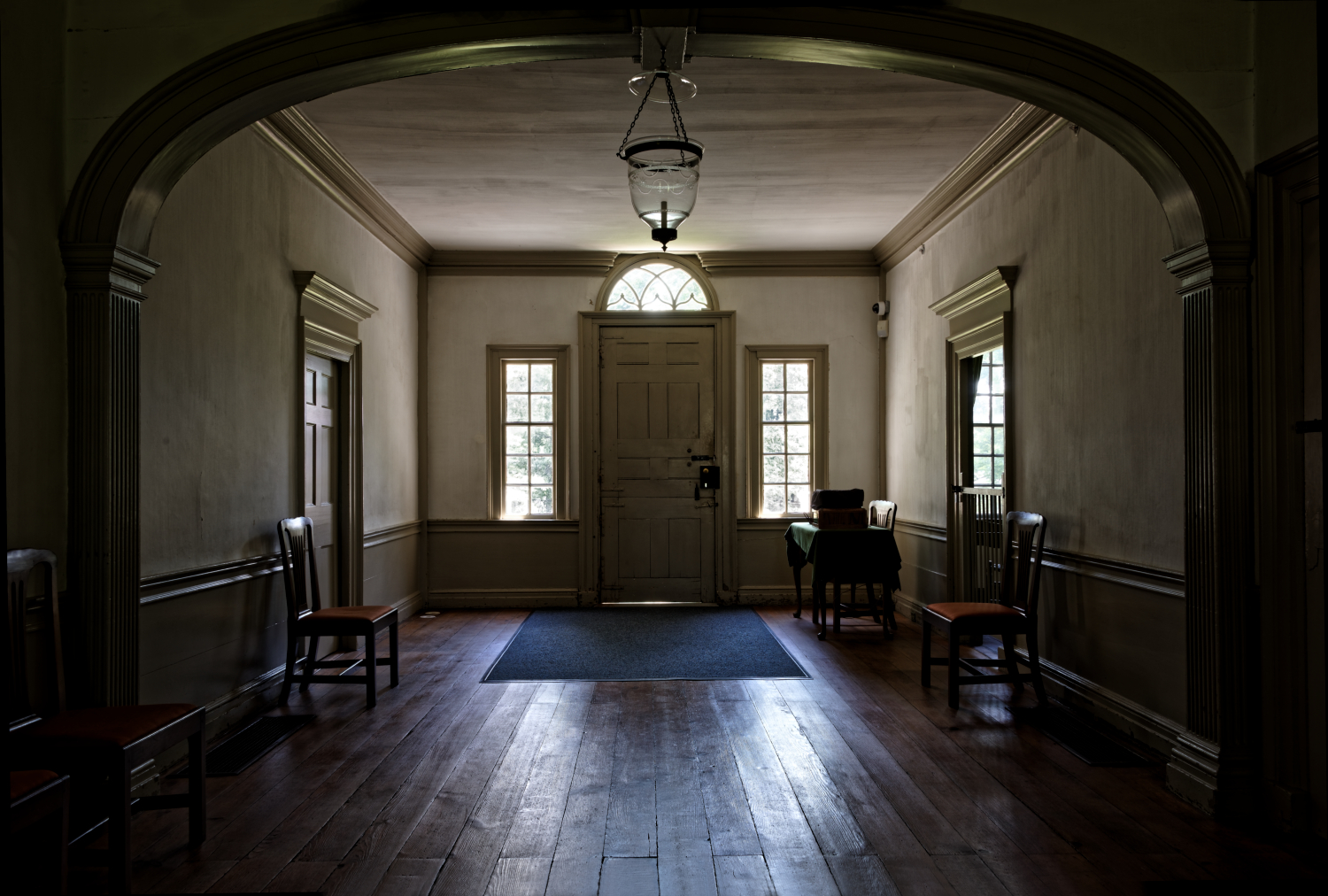
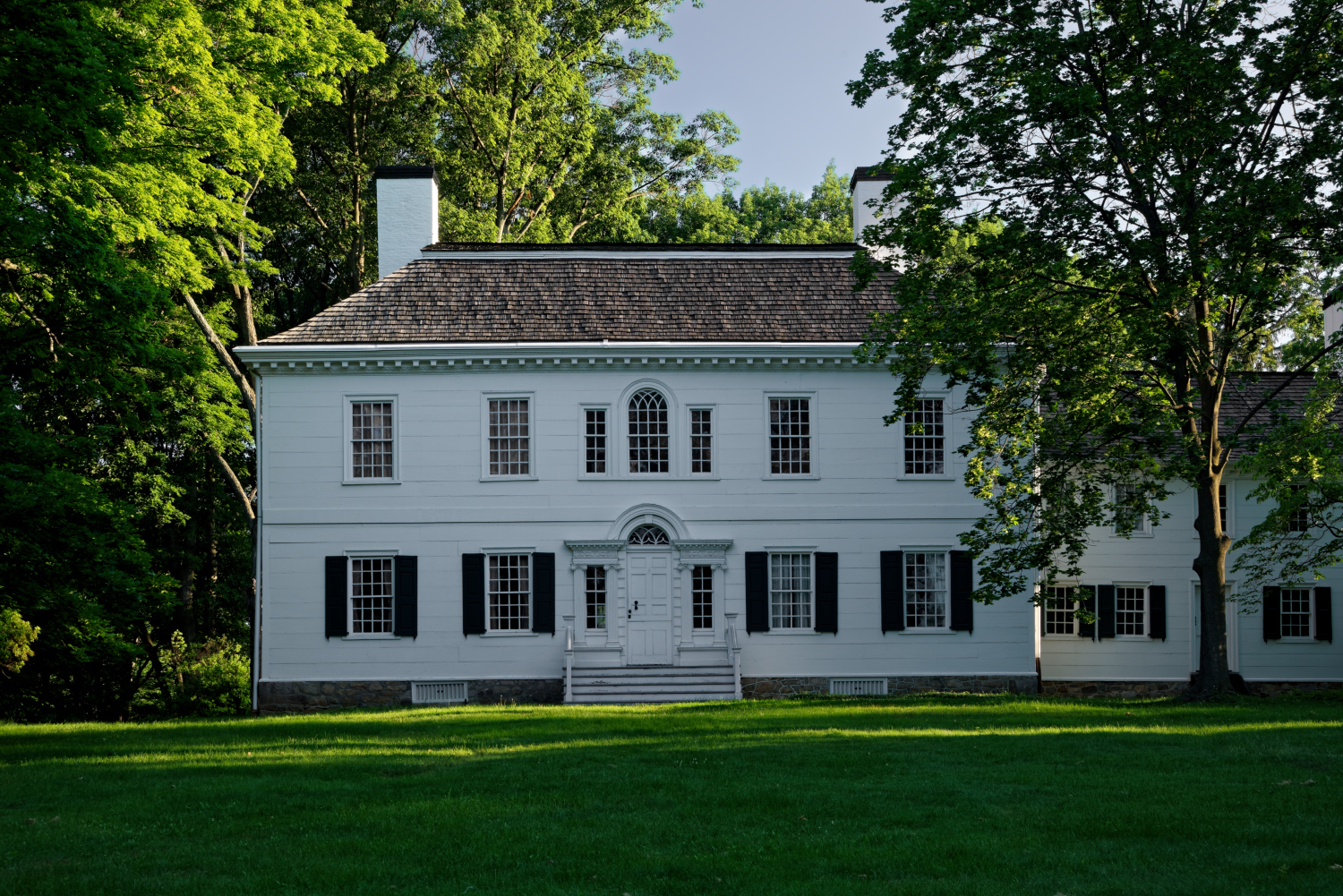
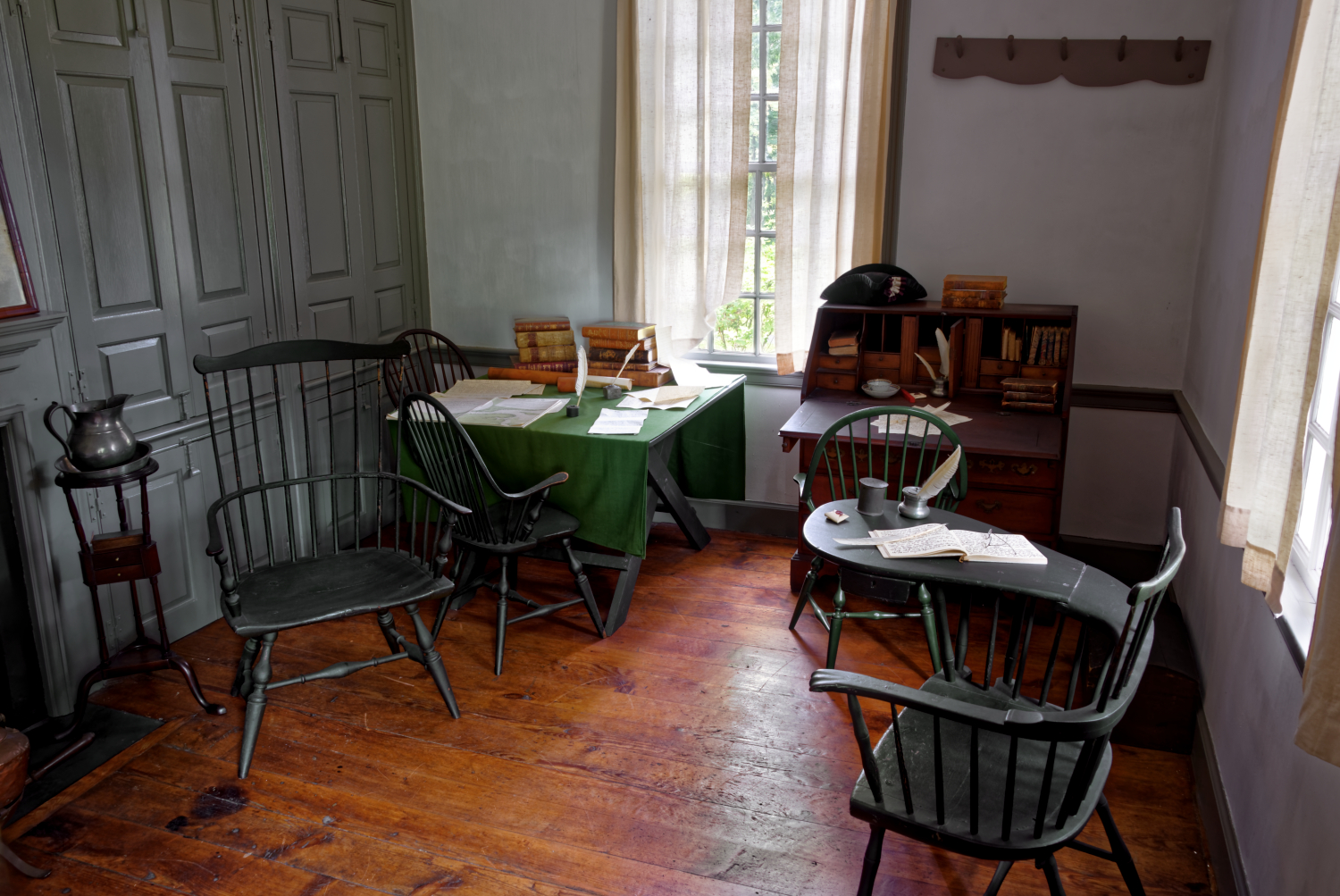
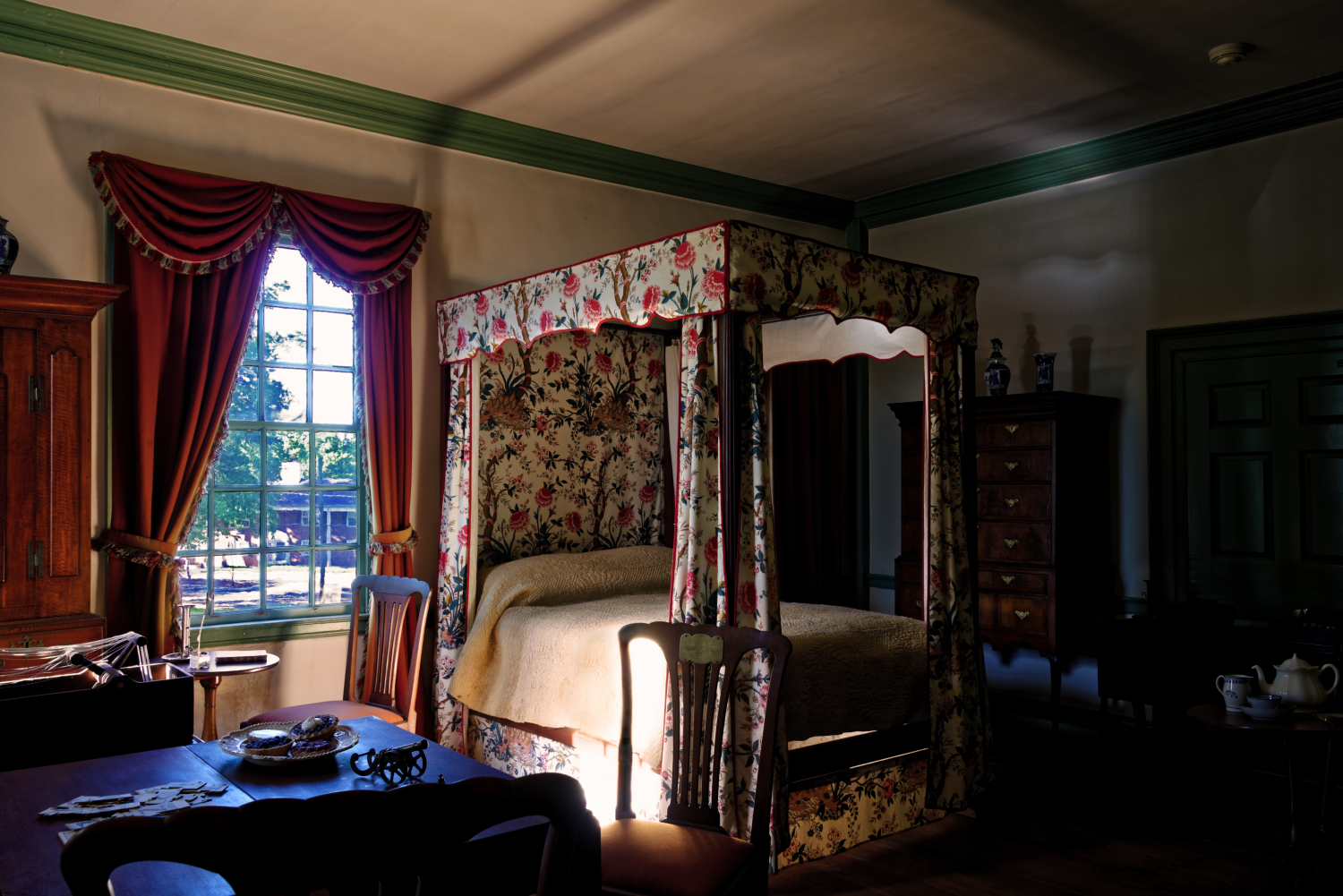
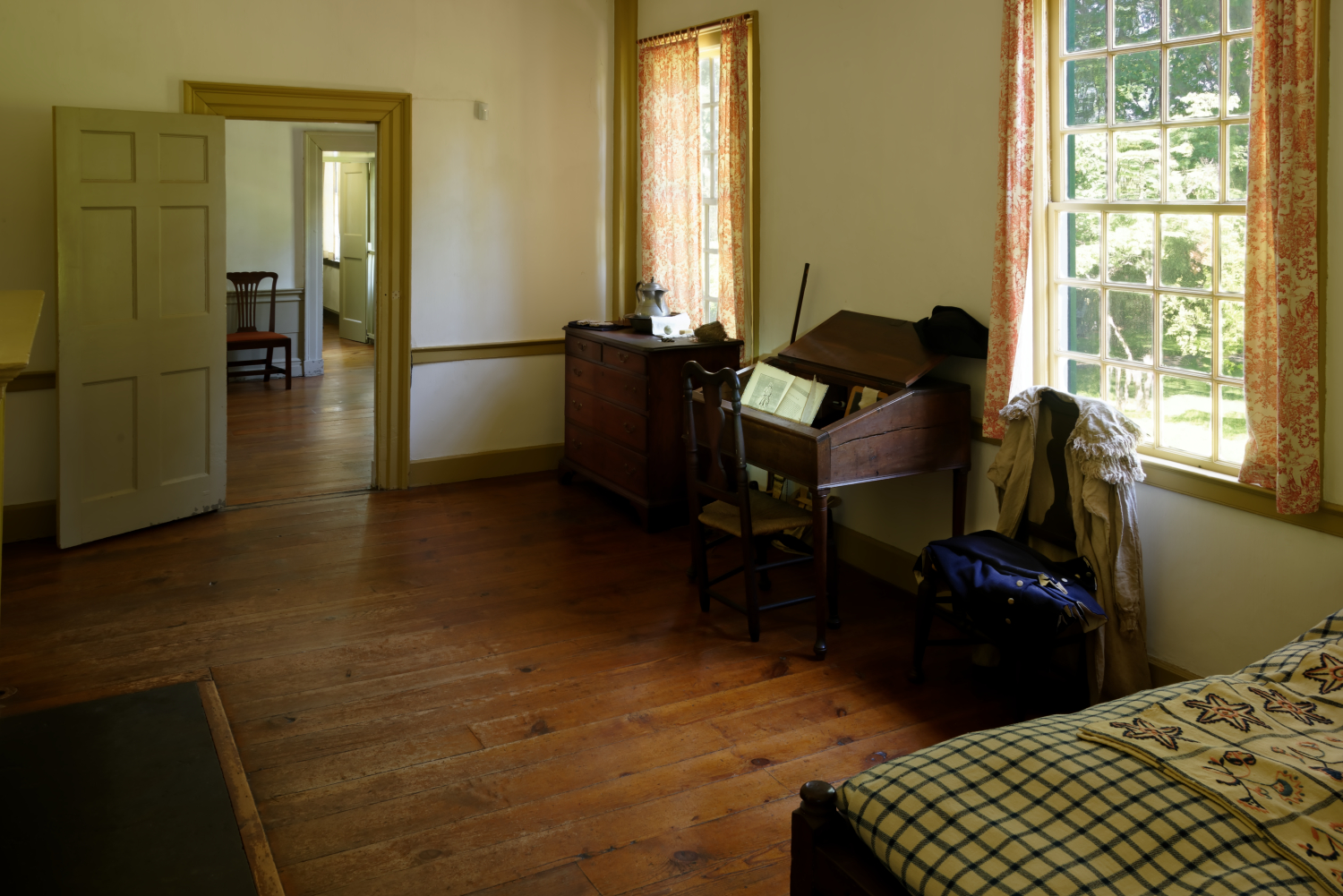
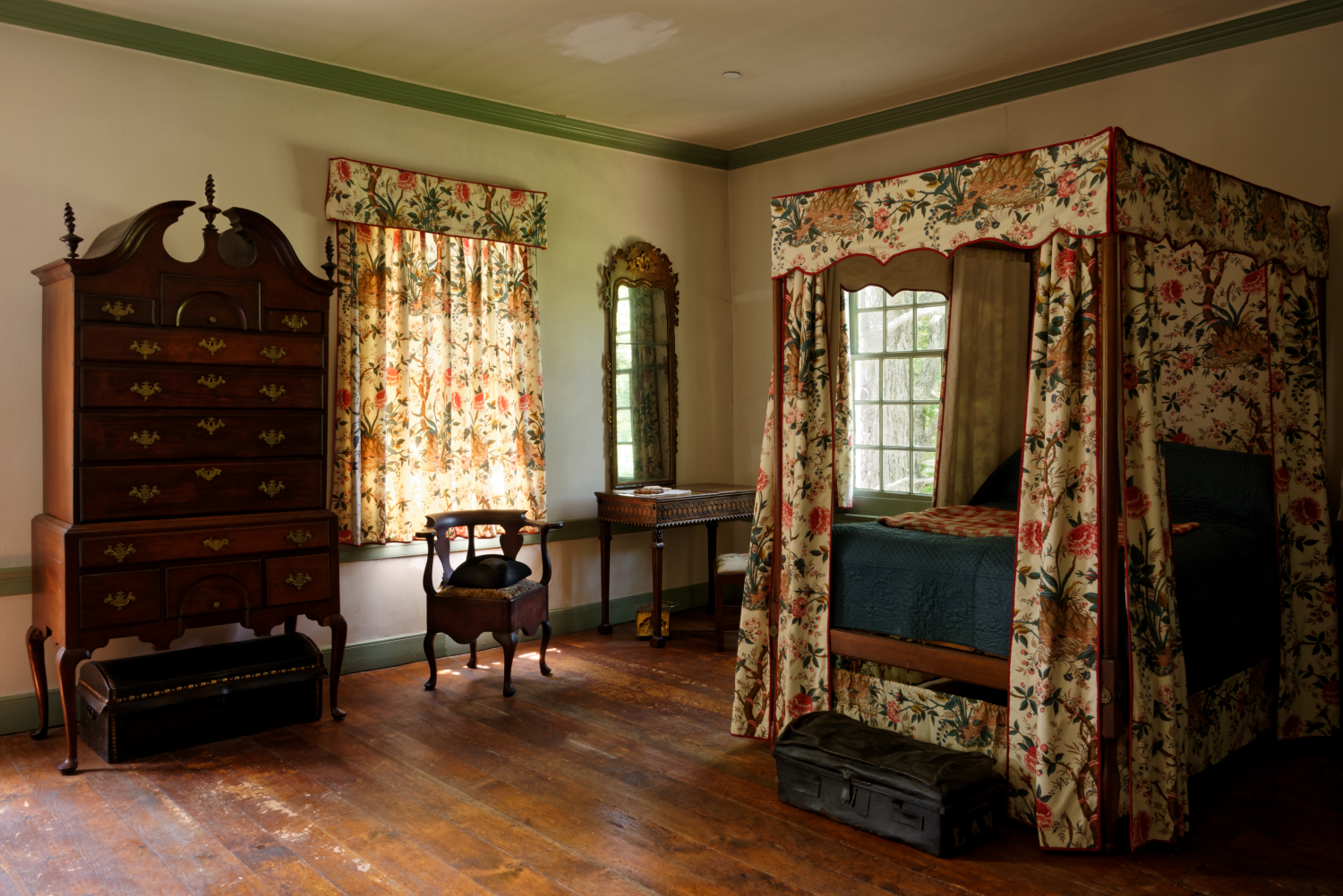
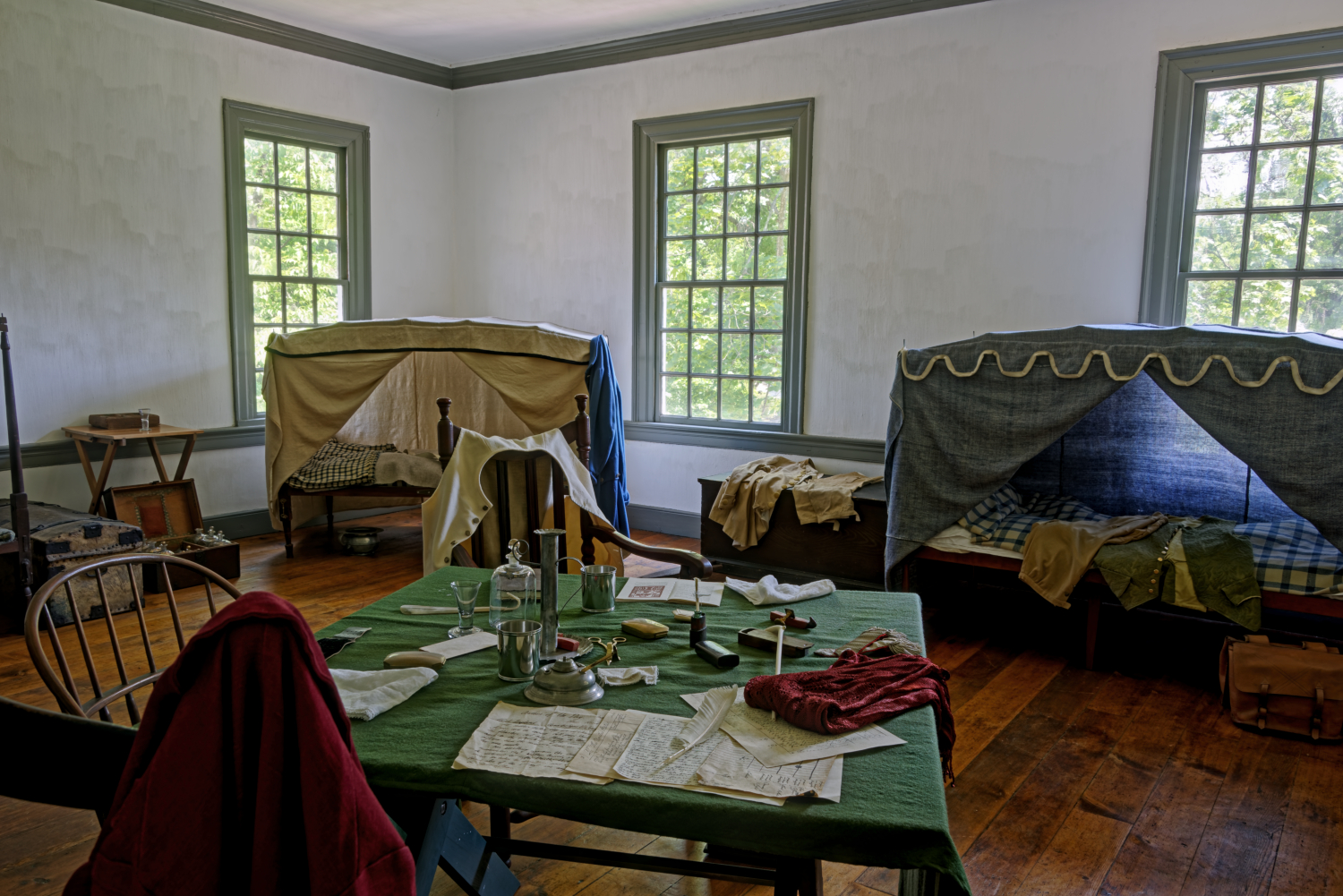
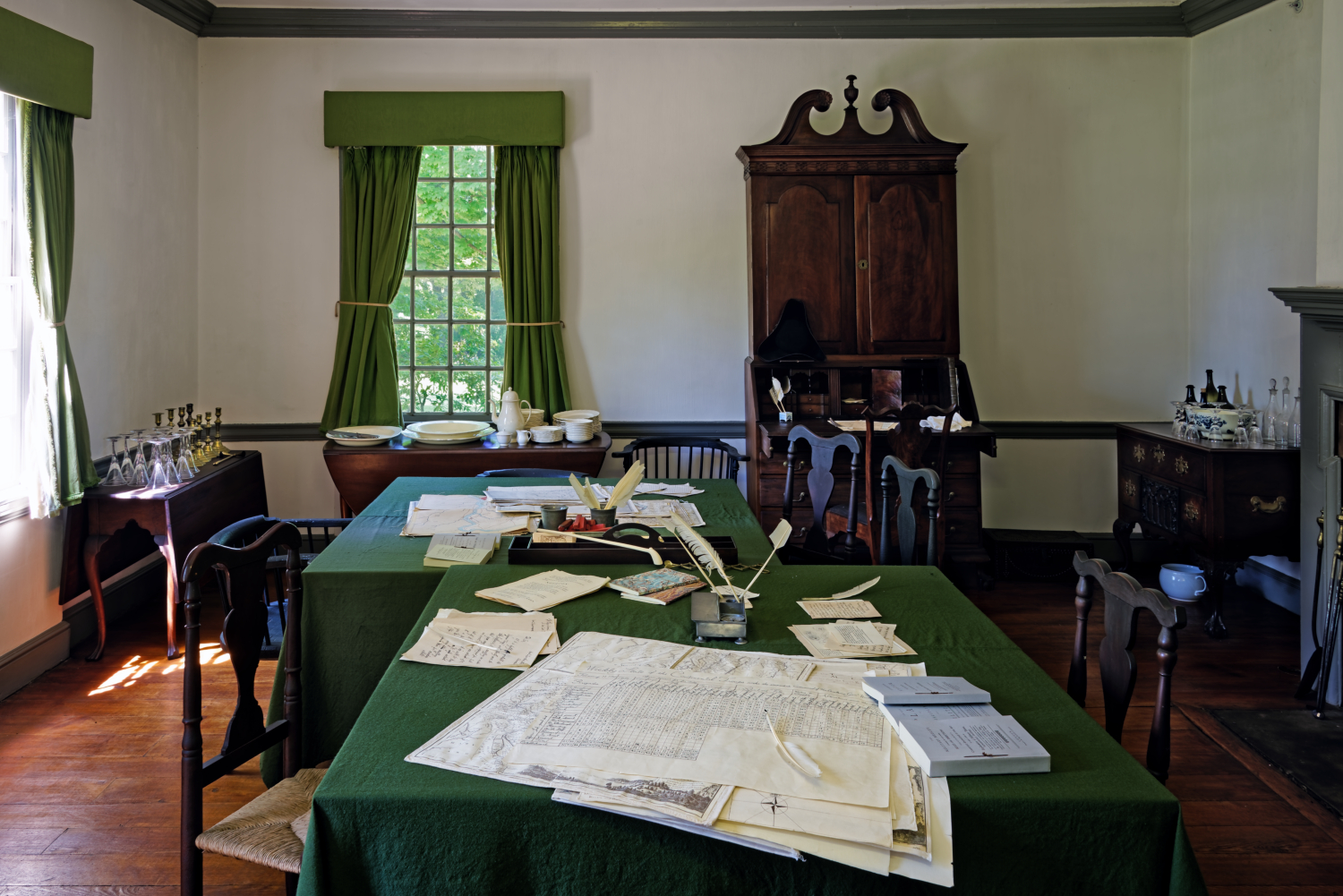
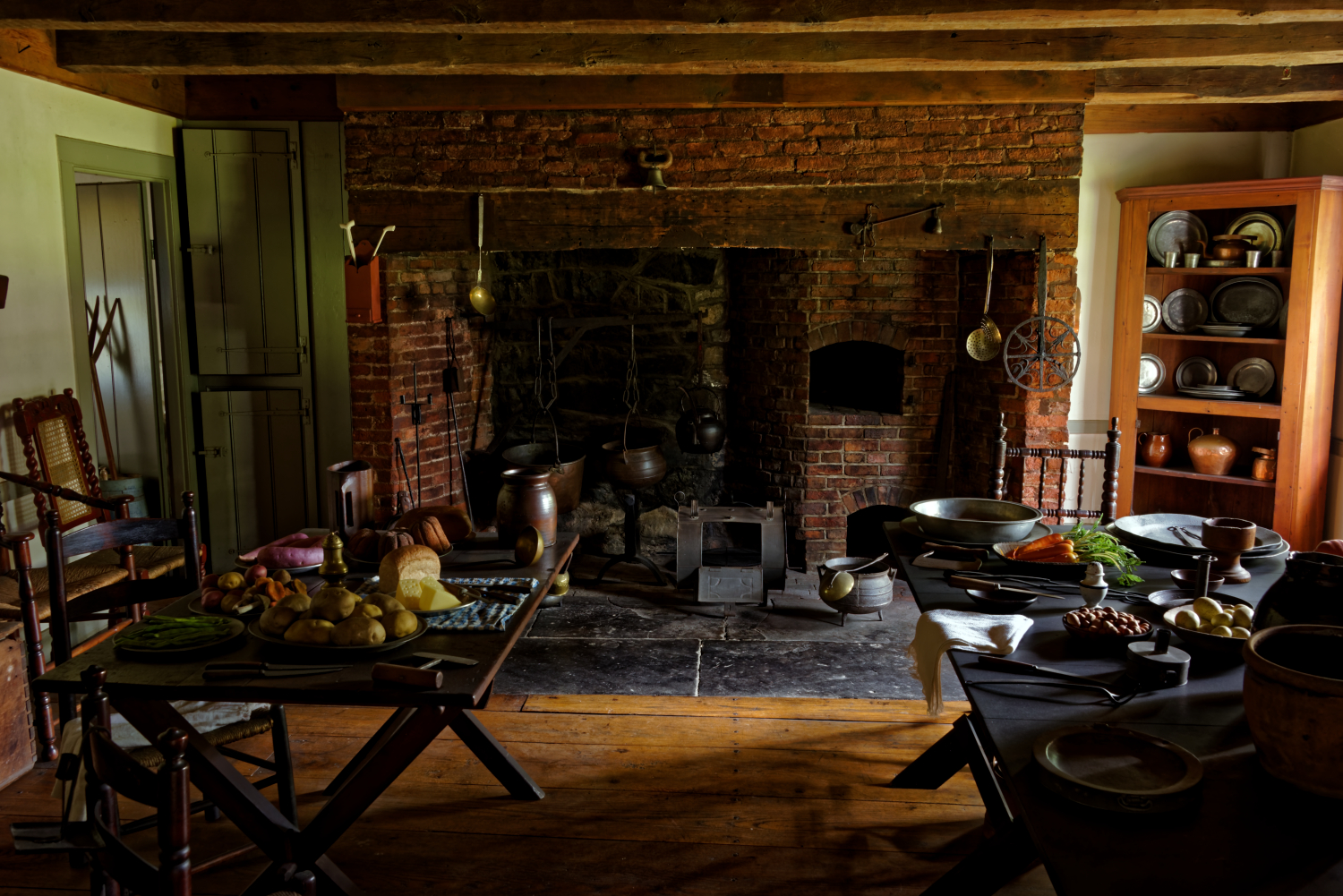
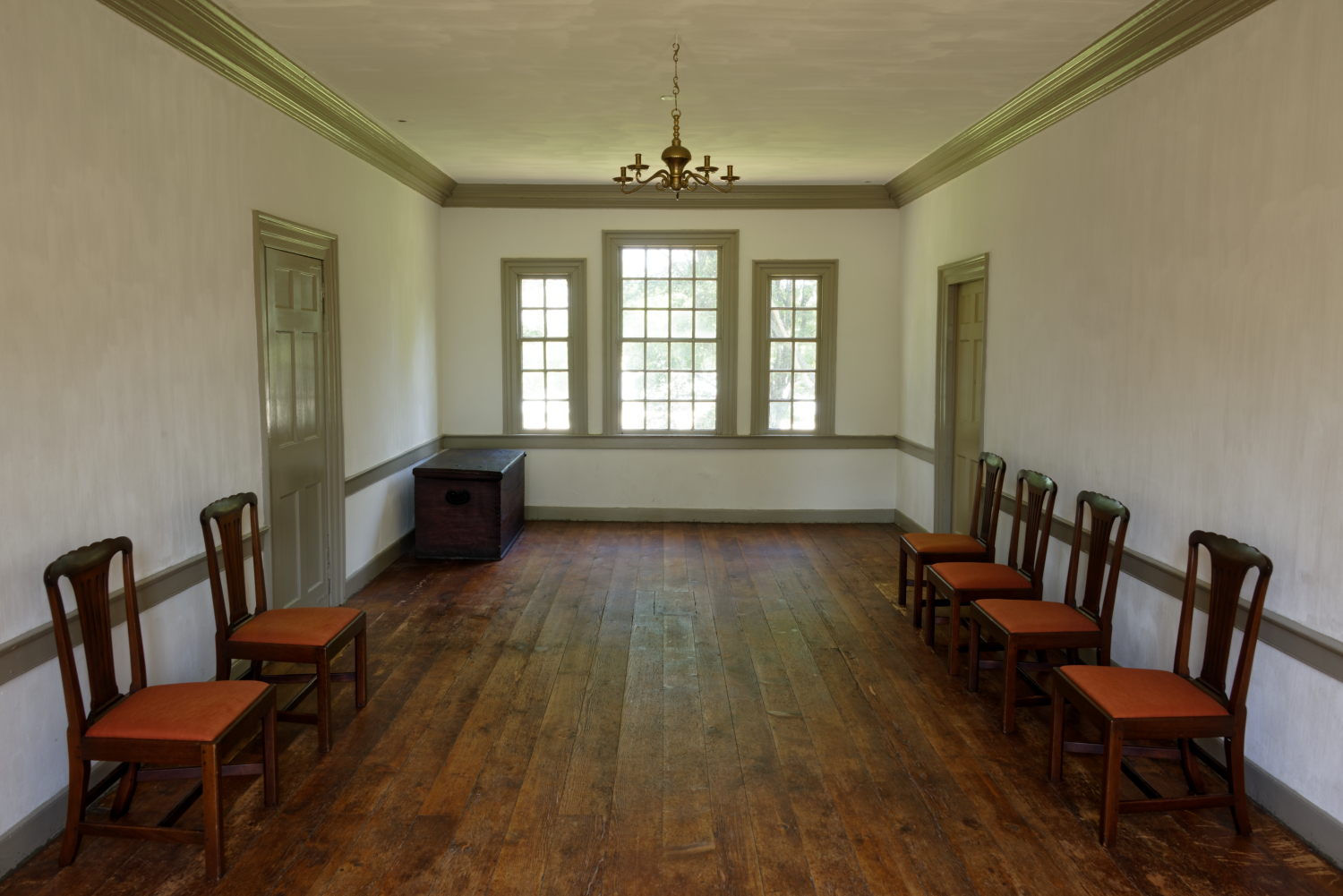
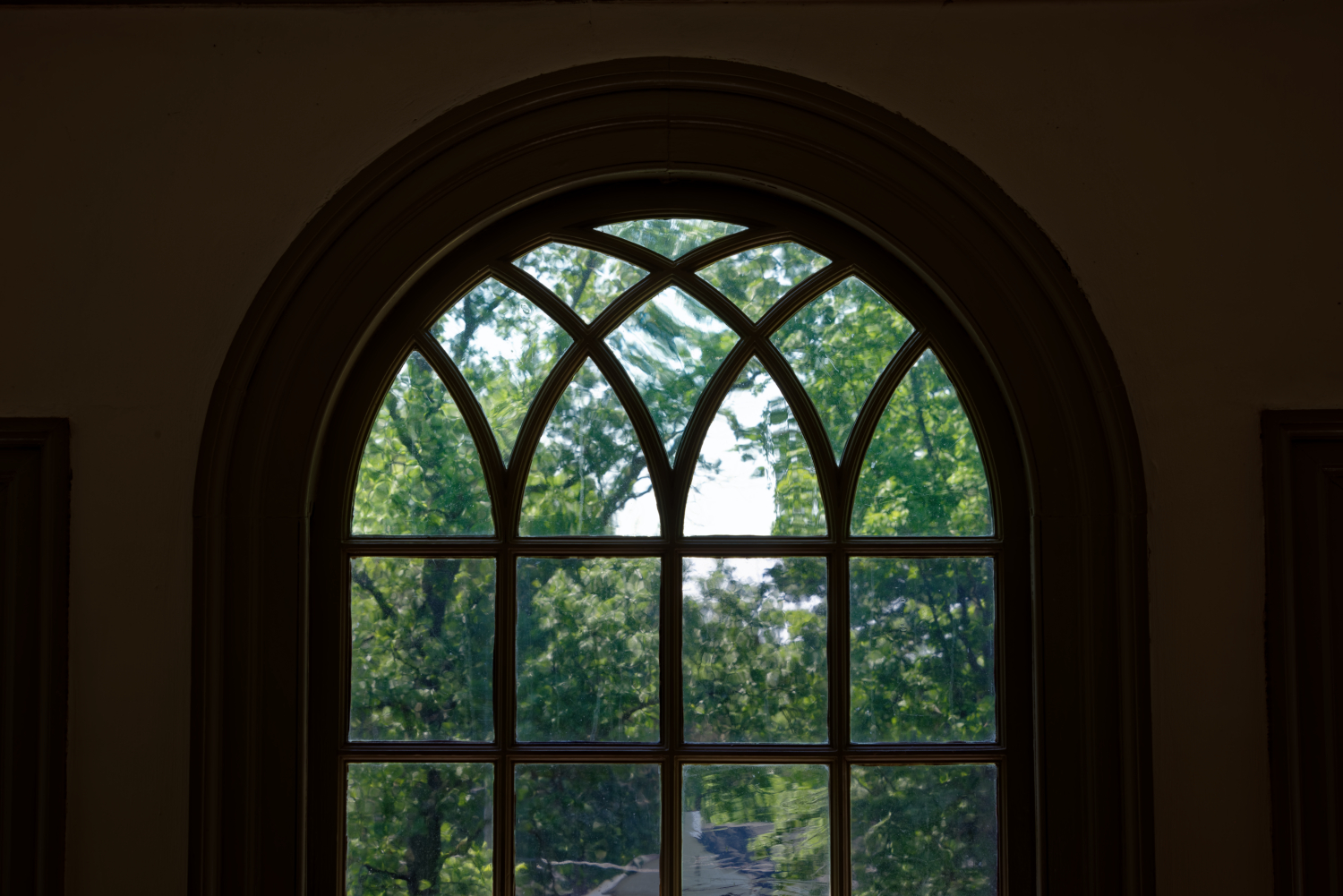
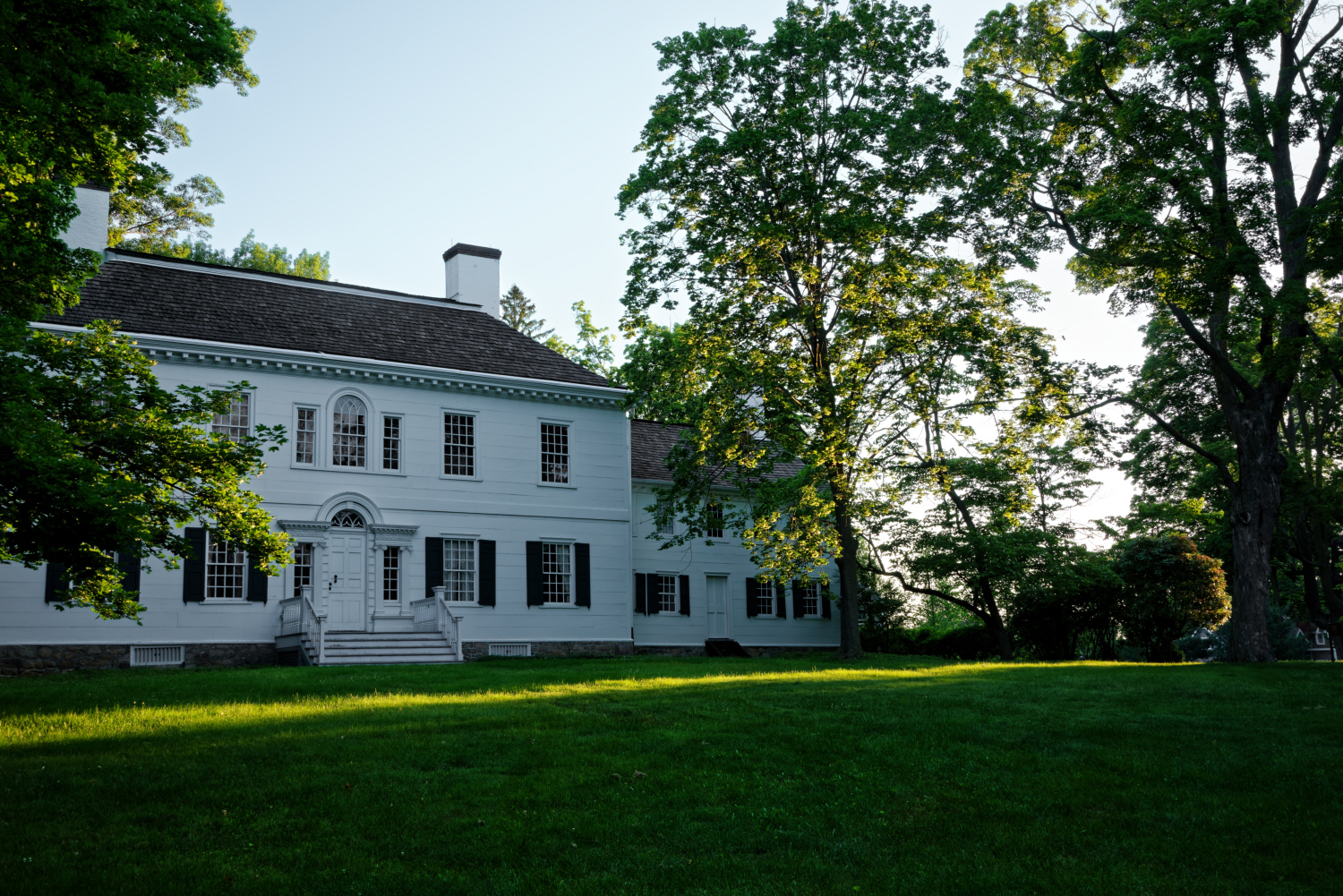
Commissioned by the National Park Service to photograph the Ford Mansion at New Jersey’s Morristown National Historical Park, Xiomaro chose to focus not only on George Washington, but also on a woman whose contributions to the American Revolution are rarely remembered today.
When Washington established his headquarters in Morristown during the winter of 1779–1780, he occupied the home of Theodosia Ford, a young widow raising four children after the death of her husband, Colonel Jacob Ford Jr. To support the Revolutionary cause, Theodosia relinquished most of her twelve-room mansion to Washington, his wife Martha, military aides, servants, enslaved workers, guards, and a steady stream of visitors that included figures such as Alexander Hamilton, Marquis de Lafayette, Philip Schuyler, and Benedict Arnold.
The hardships extended far beyond overcrowding. Theodosia had already endured the deaths of several close family members, including her husband and a young daughter. Outside the mansion, soldiers struggled through one of the harshest winters on record, marked by more than twenty snowstorms and conditions described by one soldier as “cold enough to cut a man in two.”
Drawn from a larger collection of photographs, this series reinterprets the Ford Mansion as a family home rather than simply a military headquarters. Through photographs paired with excerpts from an imagined diary written by Xiomaro based on documented historical events, the artist invites viewers to experience the Revolution through the eyes of a woman whose sacrifices helped sustain it.
The exhibition debuted in 2018 at Women’s Rights National Historical Park in Seneca Falls, New York. As Morristown National Historical Park’s Chief of Cultural Resources, Dr. Jude Pfister, observed, “The domestic aspects are easily lost in the presence of Washington, but Xiomaro has managed to capture the mansion’s essence as a home.”
Winter 1779–1780
My belongings and those of my children – Timothy (17), Gabriel (15), Elizabeth (12), and Jacob (8) – were moved into two rooms leaving the other ten to strangers. Elizabeth and I lived and slept in the dining room. The boys crammed into the sitting room. In the struggle against the Crown, the mansion had now truly become a house of revolution.
— The Diary of Theodosia Ford
All photographs are available for exhibition and purchase. Contact Xiomaro
Any image or text or any portion thereof may not be reproduced or used in any manner whatsoever – including any and all uses in connection with artificial intelligence technology – without my express written permission. Violators will, and have been, prosecuted to the fullest extent of the law. Website and Xiomaro logo by Azul Burger.