
Photographs that invite a deeper look at people, places, the past, and perception.
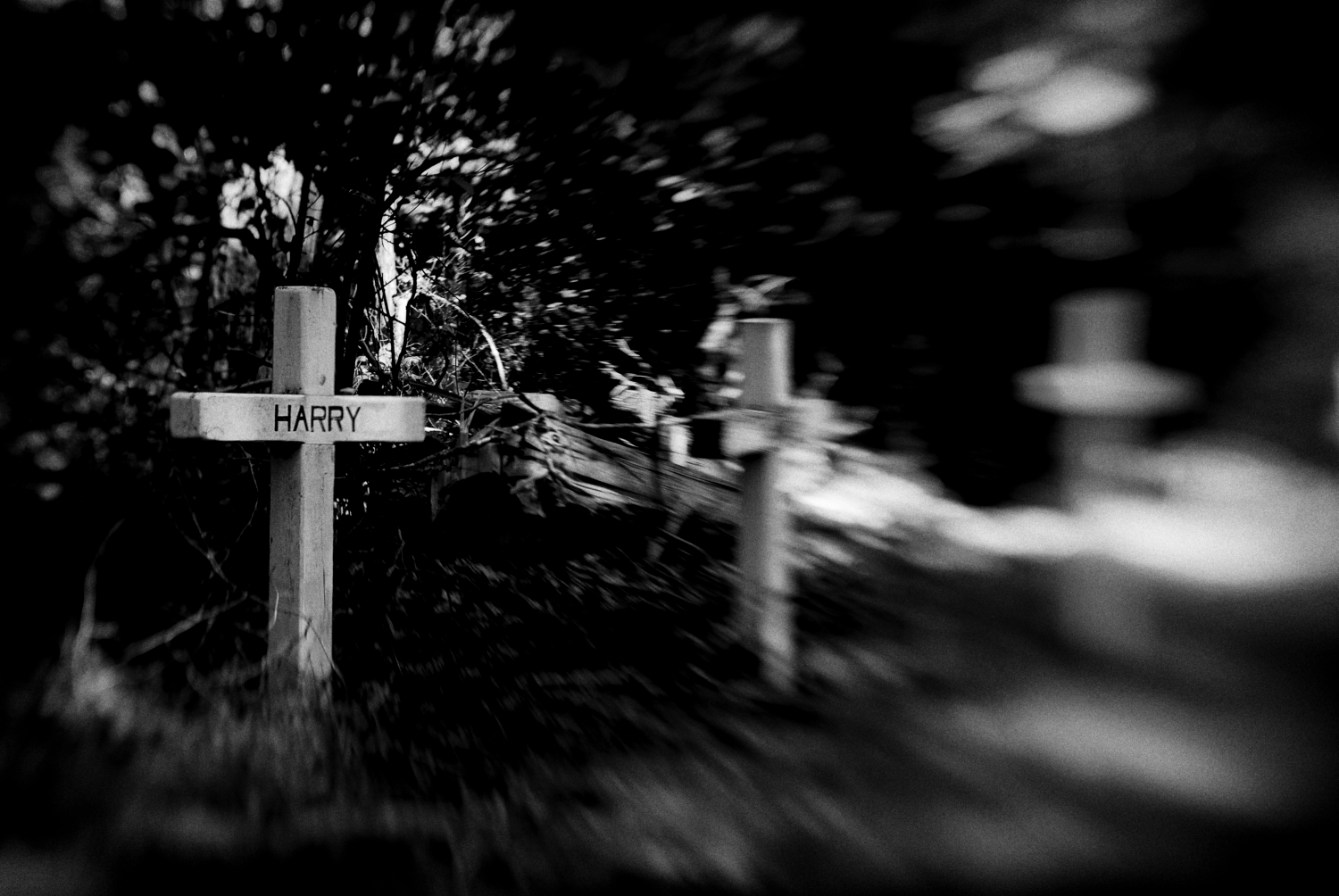
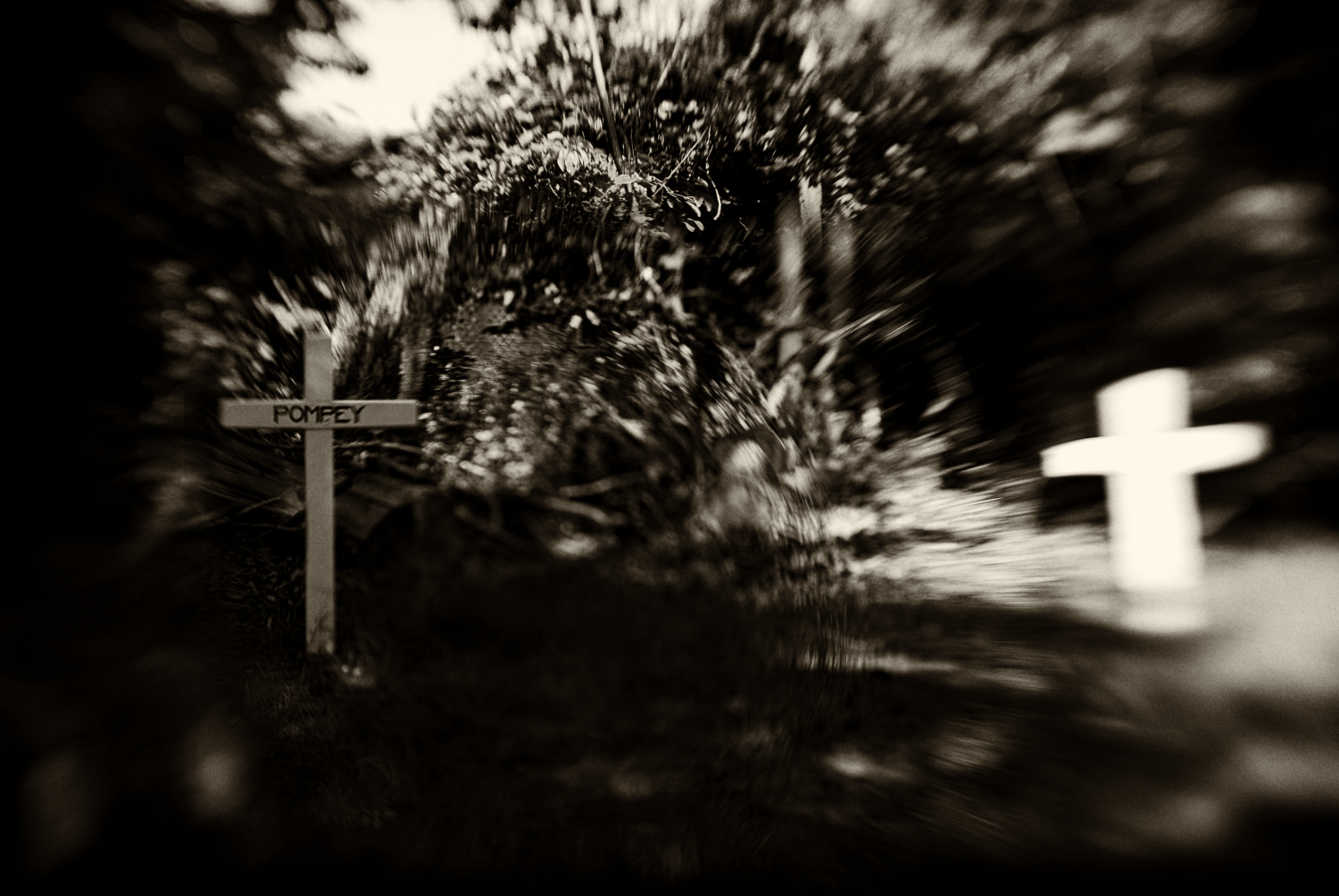
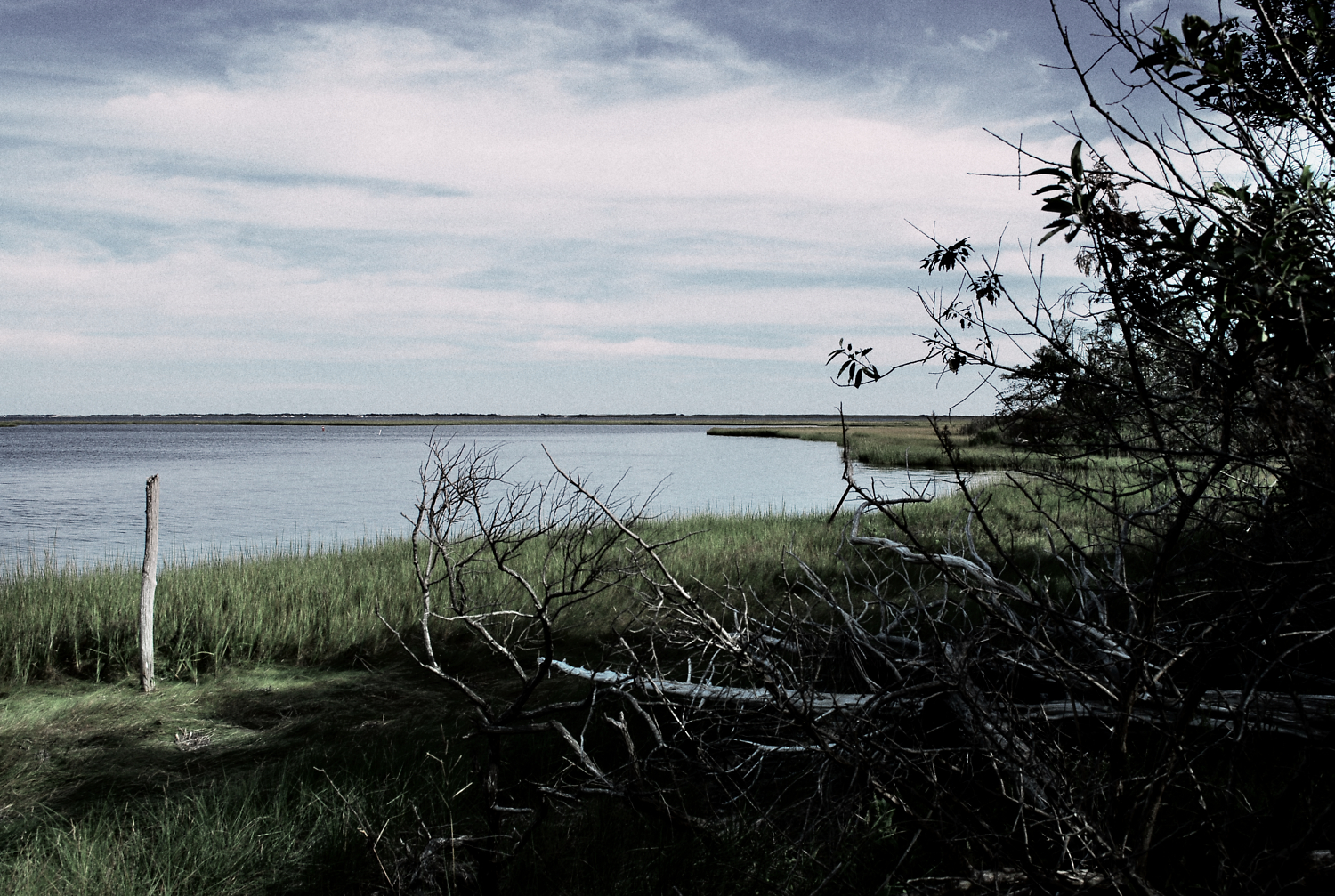
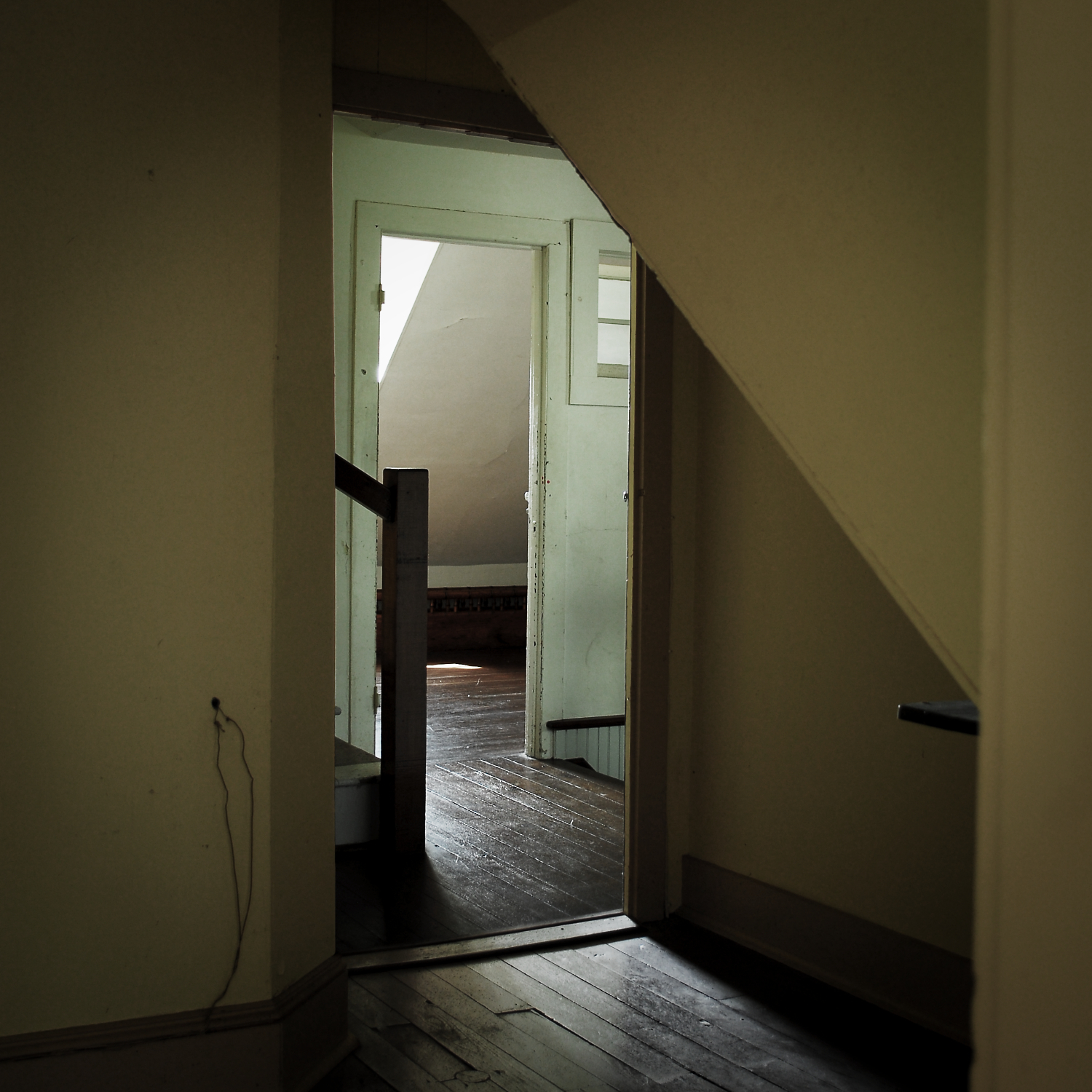
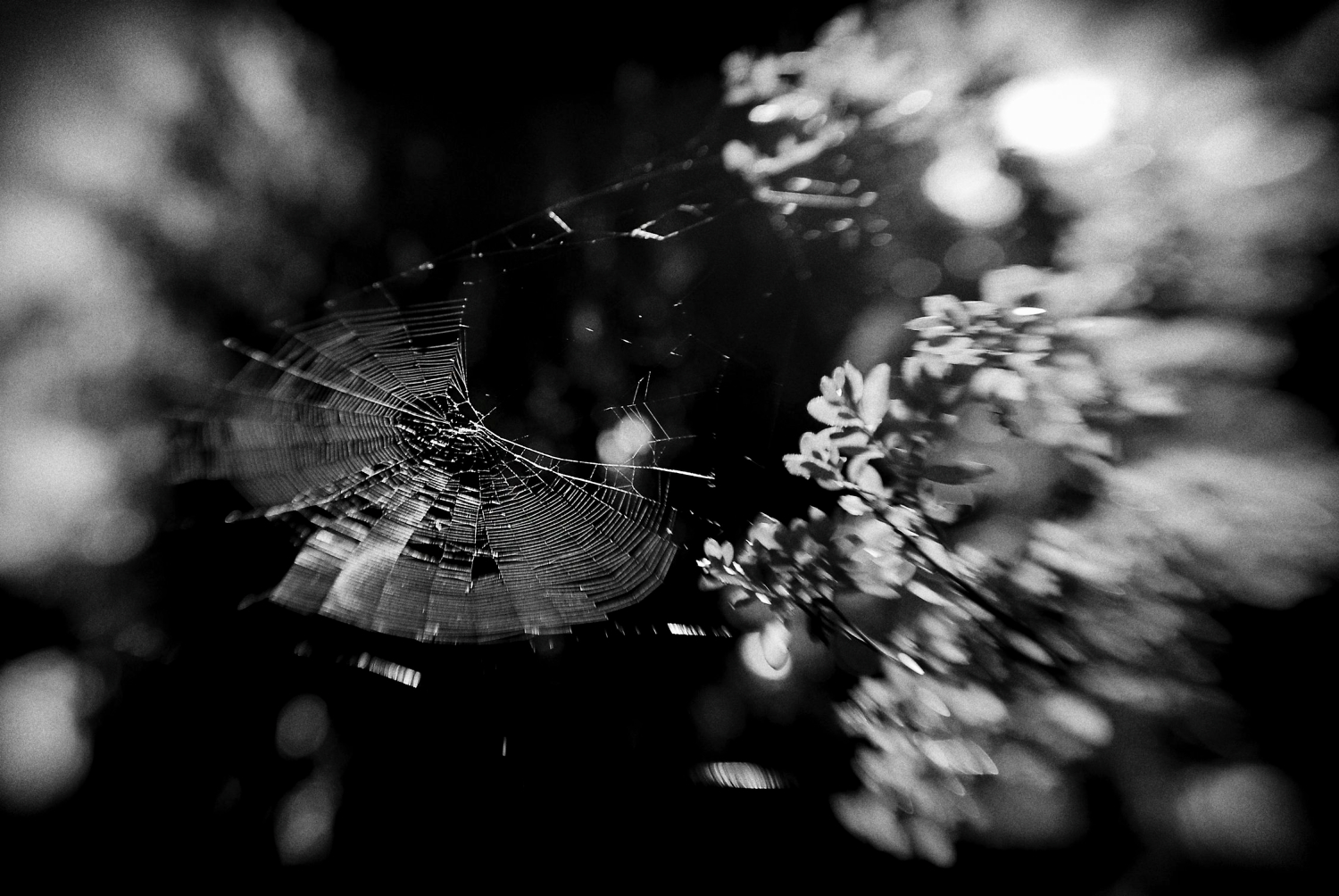
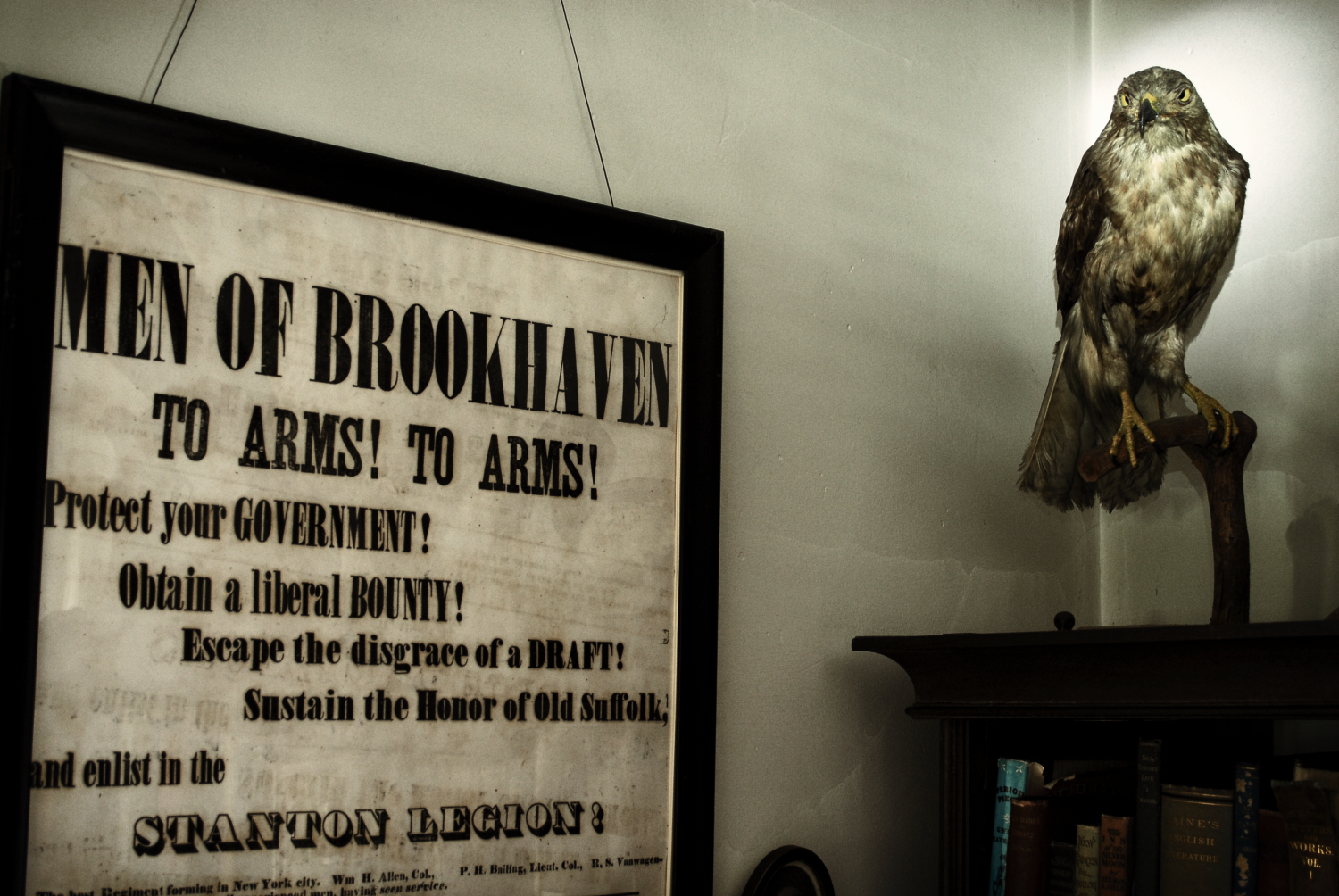
Commissioned by the National Park Service to photograph the William Floyd Estate, Xiomaro initially set out to document the home and grounds of the Founding Father and signer of the Declaration of Independence. While exploring the property, however, he became drawn to a quieter and largely overlooked part of its history.
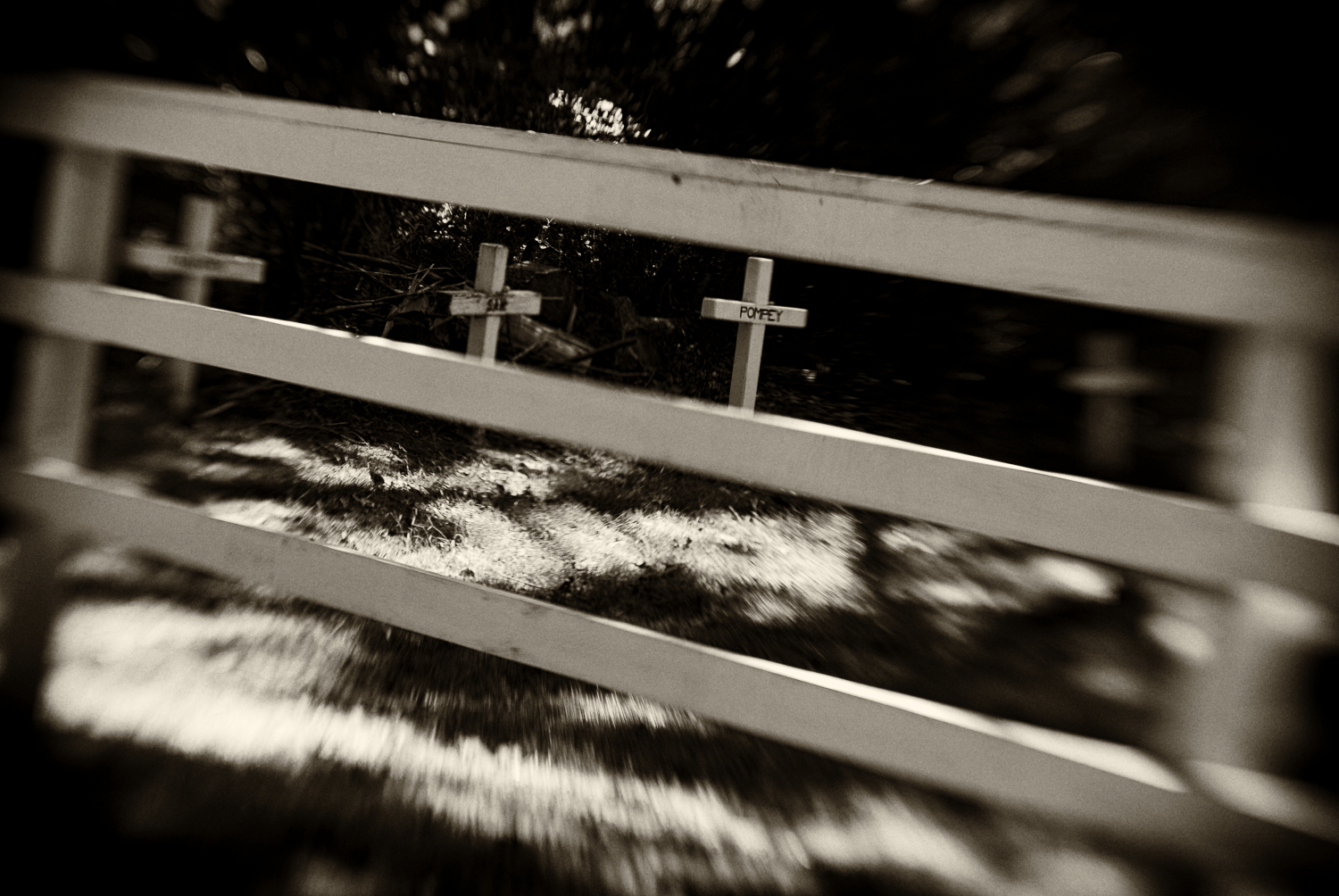
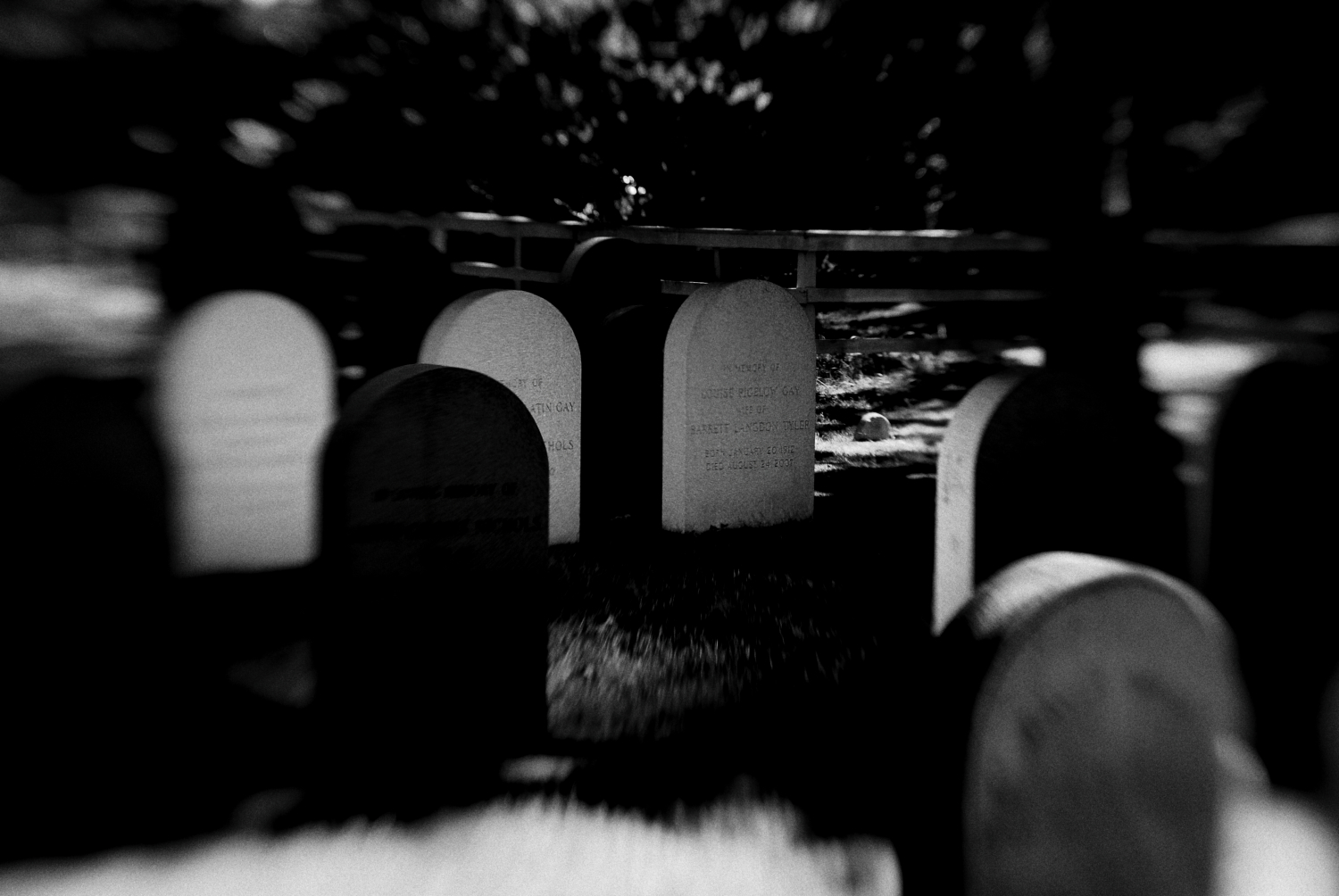
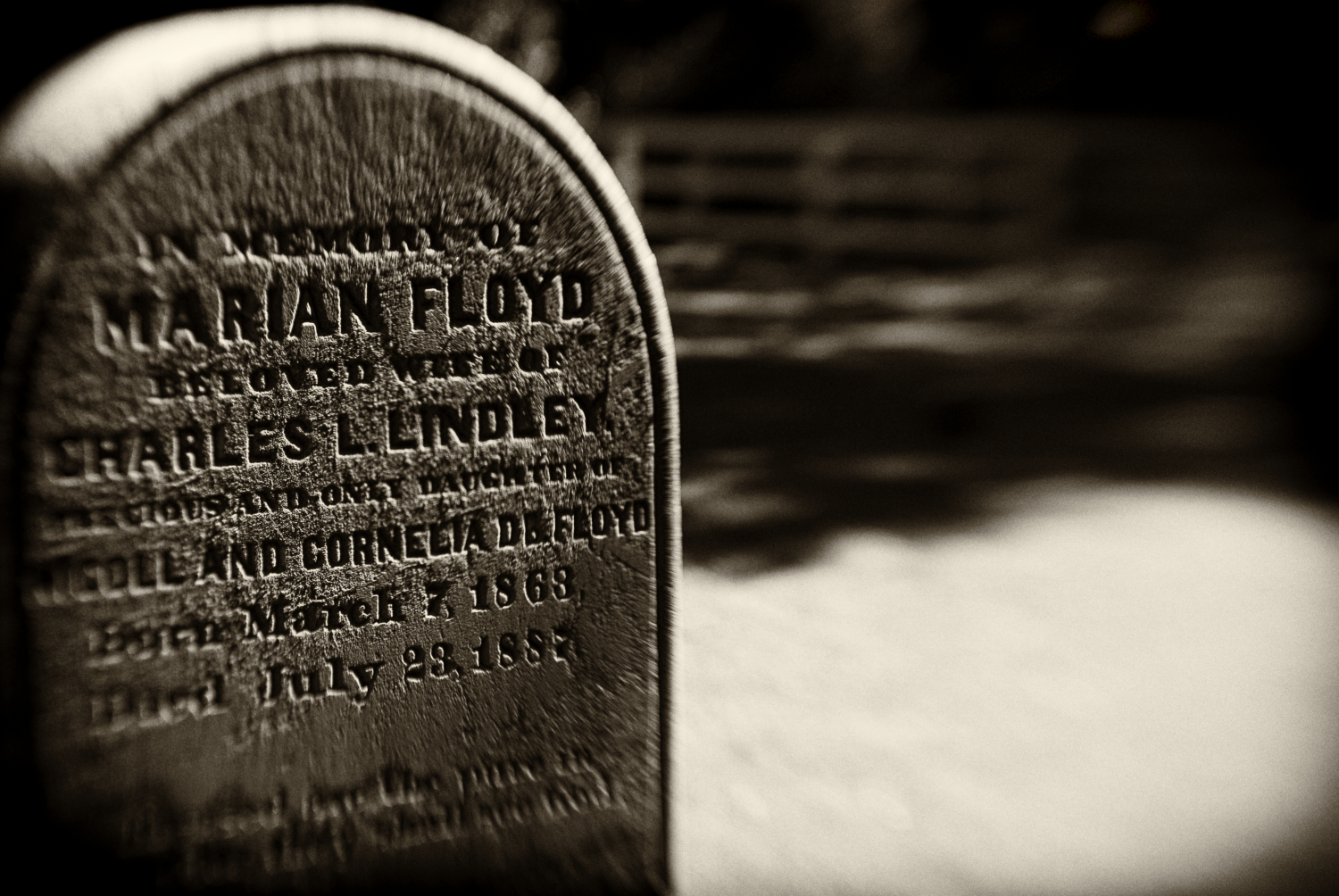
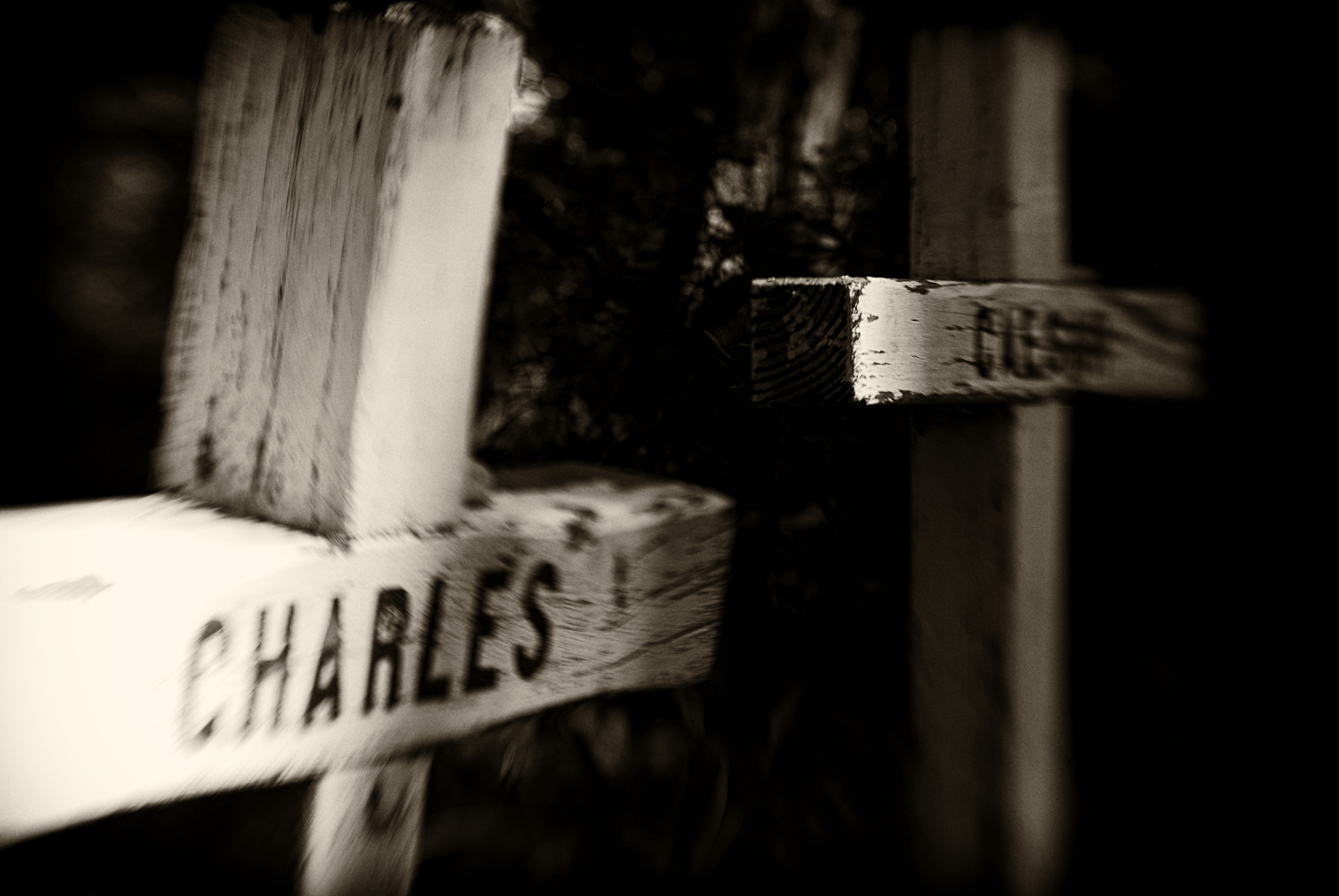
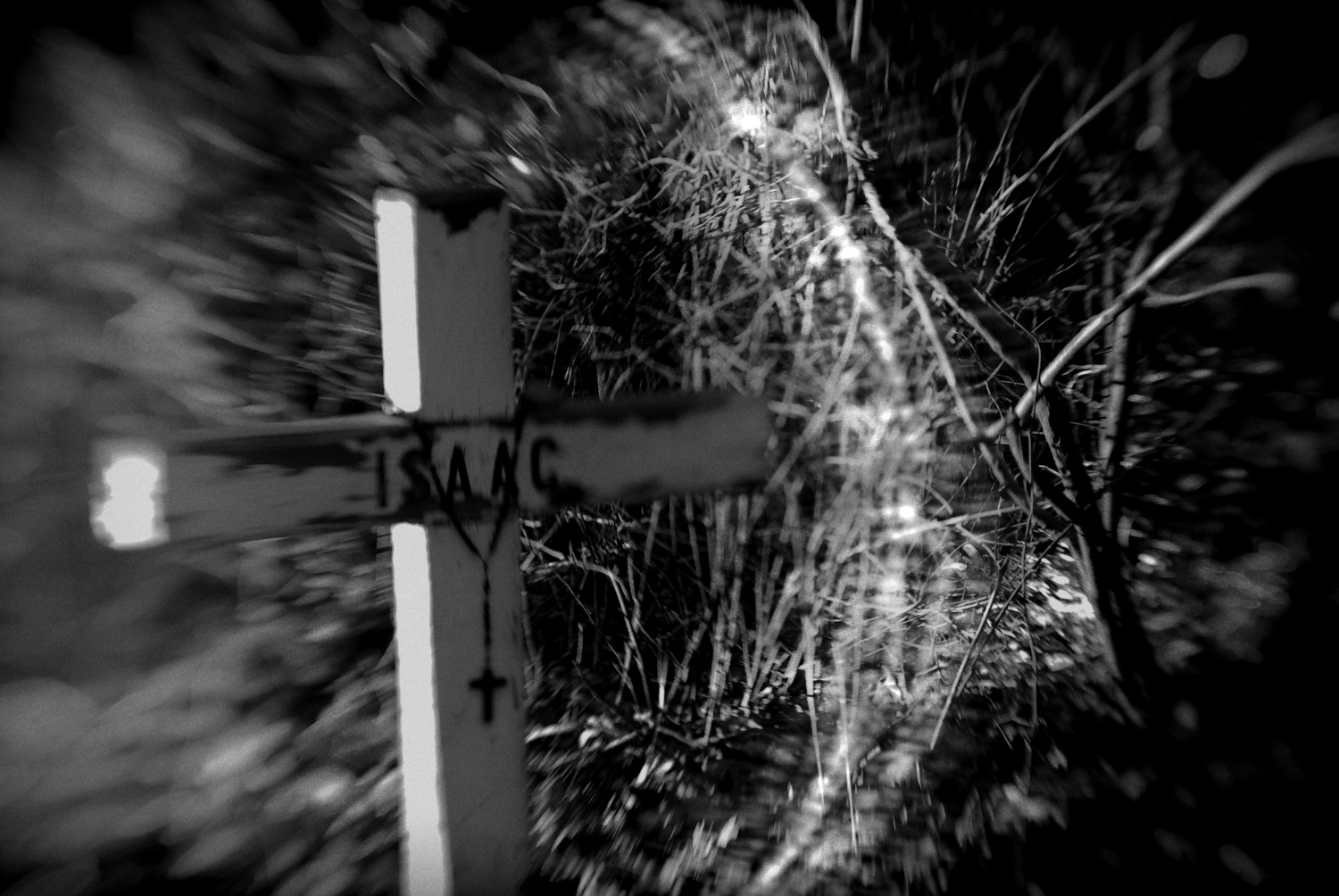
Near the mansion stood the Floyd family cemetery, where generations of family members were memorialized with elaborate gravestones identifying their names, dates, and family relationships. Just beyond a white fence, partially hidden by brush, stood seven simple wooden crosses marking the burial place of enslaved individuals. The crosses bore only the first names assigned to them by the Floyd family — Charles, Caesar, Harry, Sam, Pompey, Lon, and Isaac. There were no surnames, no dates, and no indication of family relationships.
Although the slave cemetery was not the theme of his commission, Xiomaro chose to make it the focus of a personal project. Rather than producing straightforward documentary photographs, he employed intentional blurs, selective focus, powerful artificial lighting, and conversions to sepia and black-and-white to create a series that conveys not only the appearance of the site but also its emotional and symbolic weight. The white fence separating the two burial grounds became a visual metaphor for the historical divide between remembrance and omission.
The collection marked an important turning point in Xiomaro’s work. It was the first series in which interpretation became as important as documentation, using photography not simply to record a place but to invite reflection on whose stories are preserved, whose are forgotten, and how history continues to shape the present.
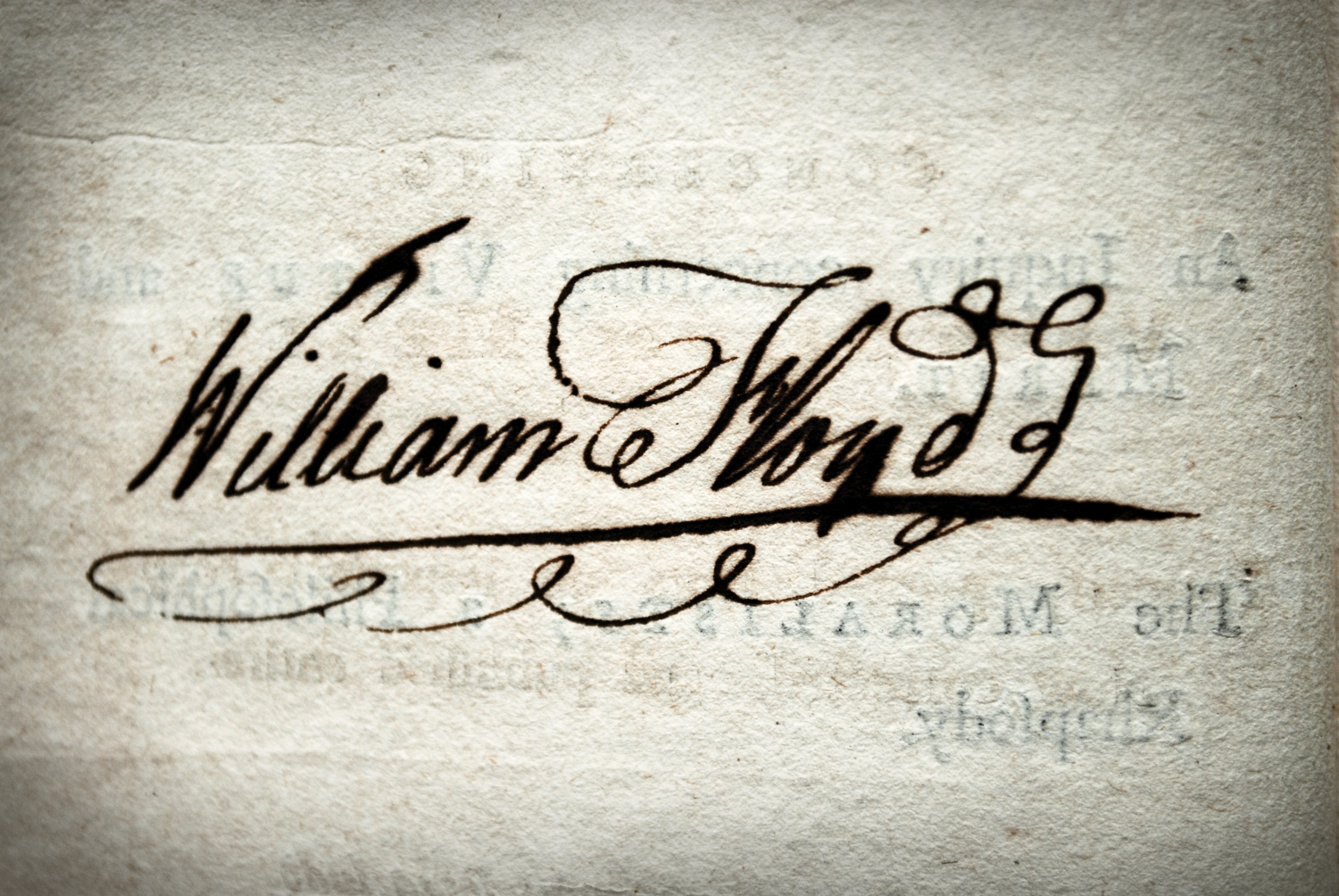
The Other Side debuted as a solo exhibition at African Burial Ground National Monument during Black History Month in 2014 and was later exhibited at the Oyster Bay Historical Society, where it was expanded to include photographs of the slave quarters together with historical materials documenting slavery at the William Floyd Estate. The project received coverage from The New York Times, Newsday, News 12, and other media, prompting public discussion about memory, history, and the often-overlooked lives of enslaved people in the American Northeast.
As part of his research, Xiomaro consulted with Professor Alan Rice, author and scholar of slavery and memory at the University of Central Lancashire. Rice has written that “the memorialization of enslaved individuals helps guard against collective amnesia… we must bear witness to the countless thousands, most of whom have no memorials.” That idea became central to the project. Rather than attempting to reconstruct lives that history left largely undocumented, The Other Side asks viewers to acknowledge both the humanity of those buried there and the silence that has too often surrounded their memory.
All photographs are available for exhibition and purchase. Contact Xiomaro
Any image or text or any portion thereof may not be reproduced or used in any manner whatsoever – including any and all uses in connection with artificial intelligence technology – without my express written permission. Violators will, and have been, prosecuted to the fullest extent of the law. Website and Xiomaro logo by Azul Burger.